What we do
There are profound differences in behavior among individuals of a species as well as across species. Much effort has been devoted to the observation and theory of such behavioral variation, but the underlying genetic, molecular, and neurobiological mechanisms are largely unknown and usually studied separately. Our lab aims to understand how and why animals behave the way they do, with a special emphasis on social behaviors and other behaviors critical for survival. To that end we take an unusual holistic, multilevel ethological approach combining tools from evolutionary, quantitative, and molecular genetics, as well as biochemistry, endocrinology, developmental biology, and neuroscience. We choose optimal species for specific questions, such as monogamous species to study pair bonding and parental care, prey species to study responses to threats, and animals bred for fighting to study aggression.
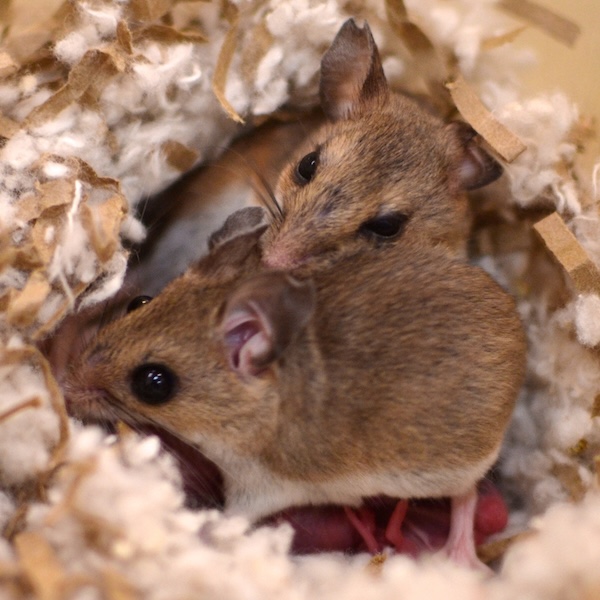
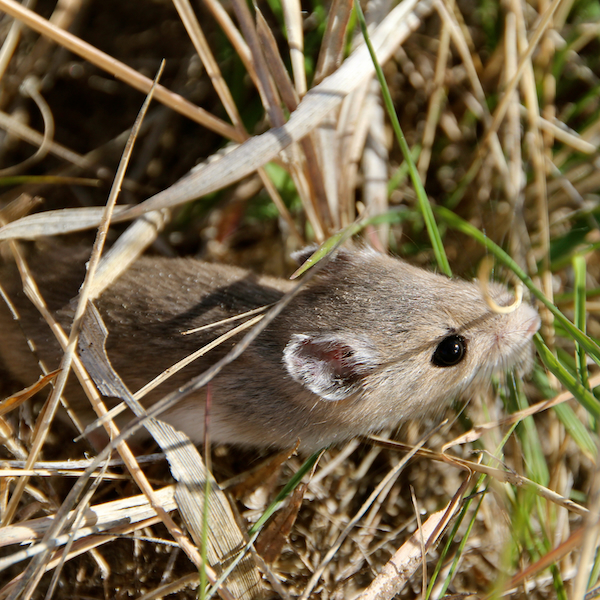
In addition to our main focus on behavior, we work on selected projects to tackle other long-standing questions in evolutionary biology, including the molecular mechanisms that prevent species from mixing with each other. To answer these important questions, the lab focuses primarily on mice of the genus Peromyscus and on Siamese fighting fish (Betta splendens, or simply ‘betta’).
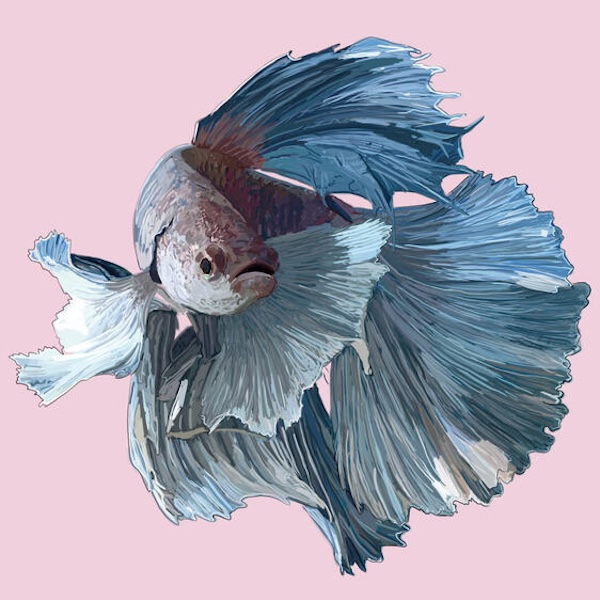
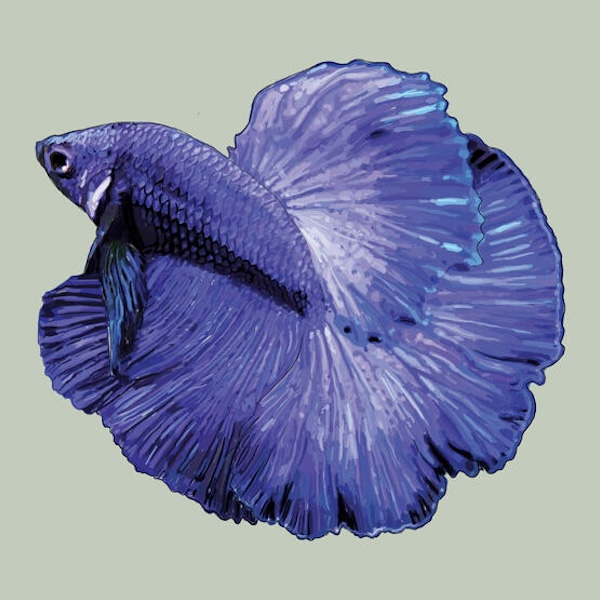
© Betta drawings by Jordan Ahava